Portsmouth, NH
Plumber in Portsmouth, NH
Plumbing problems in Portsmouth tend to announce themselves on the worst possible morning. The shower runs cold before work. A puddle appears under the kitchen sink an hour before guests arrive. The water heater stops producing hot water in the middle of January. Most of these failures were not random. They were the slow result of mineral buildup, hairline corrosion, or a fitting that was installed correctly twenty years ago and finally reached the end of its service life.
A good plumber does more than swap out the broken part. The job is to find the underlying cause, fix the immediate problem, and explain what is likely to happen next so the homeowner can plan rather than react. Whether the issue is a leaking shutoff valve, a noisy water heater, or a drain that has slowed over months, the right repair is the one that solves the whole condition instead of buying another short stretch of time.
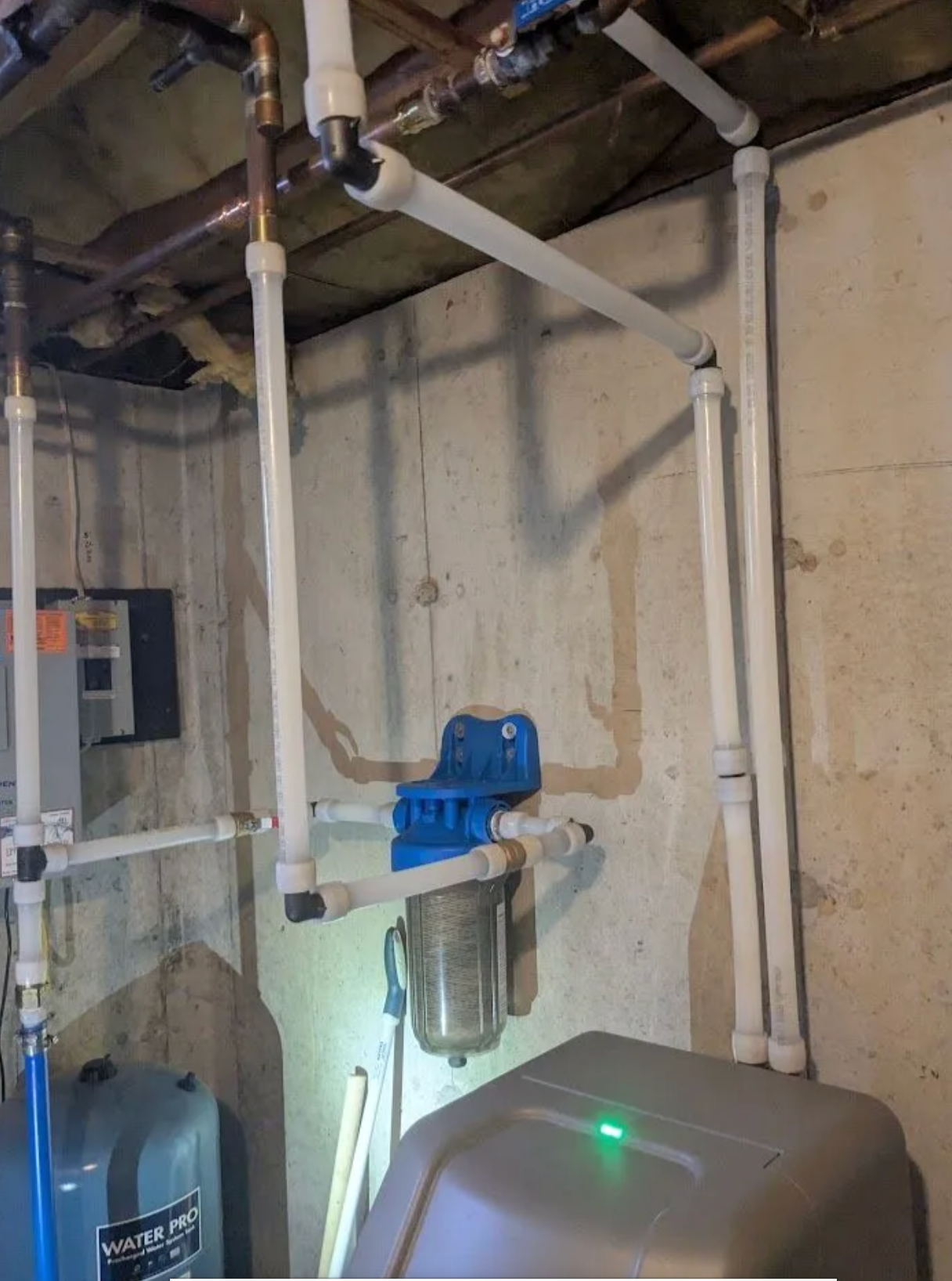
At Sinclair Plumbing, we are the trusted Plumber in Portsmouth, NH offering water heater installations, drain cleaning, pipe repair, water filtration, plumbing fixtures, faucet repair, pump-up systems, ejector pumps, bathroom and kitchen remodel plumbing, new construction plumbing, and residential service. With 14 years of hands-on plumbing experience in coastal New Hampshire homes, we approach each call as a chance to fix the real cause rather than band-aid the symptom and leave the next failure on the calendar.
About Sinclair Plumbing
We are an owner-operated plumbing business serving Portsmouth and the surrounding New Hampshire and southern Maine market. The owner is on every job, from emergency calls at six in the morning to remodel rough-ins during the workweek. That direct involvement gives homeowners a single point of contact who knows what was found, what was fixed, and what to watch for in the coming months.
Fourteen years of plumbing work in coastal New England has shaped how we diagnose. Older homes in the Seacoast region carry galvanized supply lines, cast iron drains, and venting layouts that newer plumbers sometimes misread. We know the patterns, the typical failure points, and the safe way to update a section without disturbing a system that has otherwise been working. That experience saves homeowners money and avoids unnecessary repairs.
We take pride in clear communication and clean job sites. Estimates are explained before work starts. Findings during the job are reported as they come up, not buried in the invoice. When the job is finished, the work area is left cleaner than we found it. That discipline reflects how a trusted local plumber earns repeat calls from the same households year after year.
Common Plumbing Problems Found in Portsmouth, NH Homes
Coastal New Hampshire homes share a recurring set of plumbing issues that show up across newer construction and century-old housing alike. Aging cast iron drains develop interior scale that gradually narrows the pipe and slows everything downstream. Galvanized supply pipes corrode from the inside, dropping water pressure to the upper floors. Hard well water leaves mineral deposits inside water heater tanks and inside fixture cartridges, shortening the working life of both.
Water heater failure is one of the most common service calls in the Portsmouth area. Most tank-style heaters in this region reach end of life around ten to twelve years, often sooner if no maintenance was performed. Sediment at the bottom of the tank insulates the burner and forces longer recovery cycles. The first warning sign is usually a rumbling noise during recovery, followed weeks or months later by a leak at the base of the tank.
Drain problems in the Seacoast region often trace to a combination of older venting and household behavior the original drain was never sized for. Garbage disposals added decades after the kitchen drain was installed, low-flow toilets running into pipes designed for higher volumes, and tree roots in lateral lines all contribute. Recurring slow drains usually need a camera inspection rather than another round of chemical cleaner that masks the underlying restriction.
When Plumbing Repair or Replacement Makes Sense
The repair-versus-replace question comes up most often around water heaters, fixtures, and sections of supply or drain piping. The general framework is to compare the cost of the proposed repair to the remaining useful life of the equipment. A two-year-old water heater with a failed thermocouple is almost always a repair. A twelve-year-old water heater with the same issue is almost always a replacement, because the next failure is likely close behind.
For fixtures, the calculation centers on parts availability and the quality of the underlying valve body. Mid-grade faucets and shower valves can usually be rebuilt with new cartridges and seals for a fraction of replacement cost. Budget-grade fixtures sometimes cost more to repair than to replace once labor is included. A plumber should present both options with honest pricing rather than defaulting to whichever produces the bigger invoice.
Pipe repair versus repipe depends on the failure pattern. A single pinhole leak in an otherwise sound copper line is a repair. Multiple leaks in the same run, declining water pressure across the system, or visible exterior corrosion all point toward repiping a section. The mistake to avoid is patching the same line repeatedly while ignoring the trend, because each repair costs money and the eventual repipe still happens.
Why Portsmouth, NH Homeowners Trust Sinclair Plumbing
Portsmouth homeowners call us because the work is done by the owner, not a rotating crew of subcontractors. The same person who diagnoses the problem also performs the repair, which means details do not get lost in handoffs. That structure keeps quality consistent and gives homeowners someone they recognize when the next plumbing question comes up six months later.
We carry common parts on the truck so most repairs can be completed in a single visit. Water heater thermocouples, faucet cartridges for major brands, common fittings, shutoff valves, and standard fixtures are stocked rather than ordered after diagnosis. That stocking discipline is what turns a two-trip repair into a one-trip repair and saves homeowners from living without a working fixture for days.
Pricing is presented up front before work begins. The homeowner sees the estimate, understands what is included, and approves the work before the wrench comes out. Surprises during the job get communicated immediately, with a revised price for approval. That transparency is part of how we built a 14 year reputation in the Seacoast plumbing market.
Hire Us! Best and Top-Rated Plumber in Portsmouth, NH
Whether the project is a leaking water heater that needs urgent attention or a planned bathroom remodel scheduled months out, we are ready to scope the work and quote it honestly. The first call usually starts with a few diagnostic questions so the right parts and tools come on the first visit. That saves time on the front end and gets the homeowner back to a working plumbing system faster.
For repair work, the goal is a fix that holds. We do not patch a fitting that is going to leak again next year. If a repair will only buy short-term time, we say so and present the longer-term option in the same conversation so the homeowner can decide. The same transparency applies to drain cleaning, pump replacement, and fixture work.
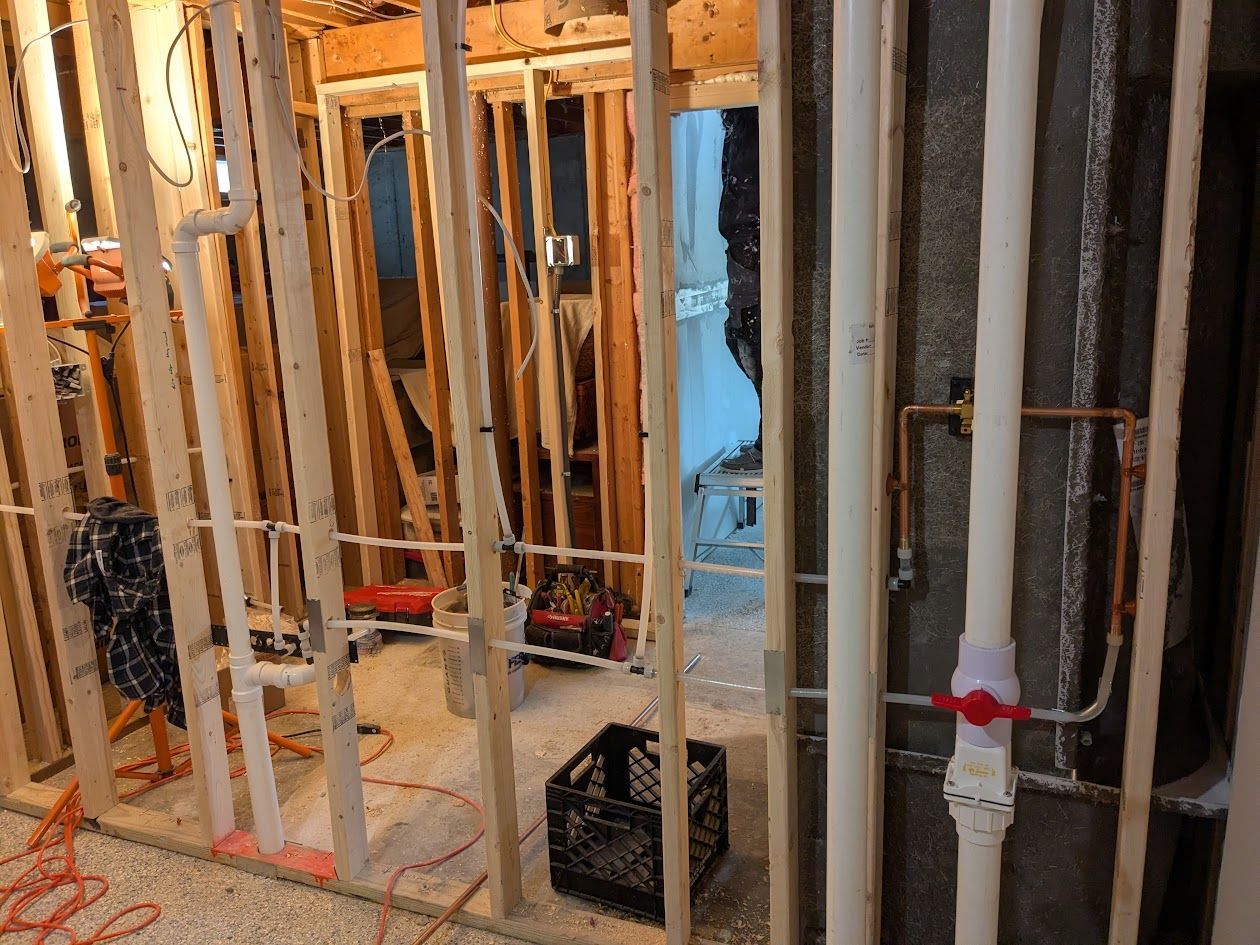
For remodel projects, we coordinate with general contractors, tile setters, and cabinet installers so the plumbing rough-in matches the finished design exactly. Drain locations, supply stub heights, and shutoff placement get reviewed against the final drawings before any wall closes up. That coordination is the difference between a remodel that looks right and one that gets opened up to fix something that should have been caught earlier.
Frequently Asked Questions
How can I tell if my water heater in Portsmouth, NH needs repair or replacement?
Age is the strongest signal. Tank-style heaters in the Seacoast region typically last ten to twelve years. Past eight years with symptoms like rumbling, slow recovery, or rust-tinted water usually means replacement. Newer units with isolated failures are typically worth repairing.
What causes recurring slow drains even after professional cleaning?
Recurring issues usually point to something beyond surface buildup: a slightly negative pipe pitch, undersized vent, scale buildup in older cast iron, or root intrusion in lateral lines. A camera inspection identifies the actual restriction so the fix can be targeted.
Do I really need water filtration in Portsmouth, NH?
It depends on the source. Homes on municipal water sometimes deal with chlorine taste, sediment, or mineral content. Homes on private wells may have iron, manganese, or hard water. A water test identifies what is actually present so the system is sized correctly.
How do I prevent a frozen pipe in a Portsmouth, NH winter?
Vulnerable pipes run through unconditioned spaces like crawl spaces, exterior walls, and unheated basements. Insulating those runs, keeping interior temperatures steady during cold snaps, and letting a small trickle run from exposed faucets during sub-zero overnights all reduce risk.
Do you handle plumbing for new construction in Portsmouth, NH?
Yes. New construction plumbing is part of what we do, including rough-in, fixture installation, and coordination with general contractors and inspectors. Bringing a plumber in during the framing stage produces a cleaner system than retrofitting it later.
Are you available for emergency plumbing calls?
For urgent failures such as active leaks, no water, or sewage backups, we respond as quickly as possible during operating hours and prioritize the calls that pose property damage risk. Shut off the main water valve while waiting.
How long does a typical bathroom remodel plumbing rough-in take?
A bathroom rough-in typically runs two to four days depending on whether existing supply and drain lines need rerouting. Coordinating with the tile setter and cabinet installer keeps the plumbing on schedule with the rest of the trades.
Do you service well water systems or only municipal connections?
Both. Many homes in the surrounding Seacoast region run on private wells, which involve pumps, pressure tanks, and filtration considerations that differ from municipal hookups. Our work covers diagnostics, repair, and installation for either water source setup.